Mosquitoes are carriers of various diseases, including Dengue fever, Zika, Malaria, Chikungunya, and more.
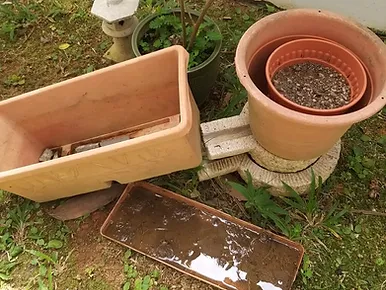
Transmit diseases such as dengue fever, dengue haemorrhagic fever, malaria, and Japanese encephalitis, etc. The female adult lays up to 300 eggs at a time and can lay eggs every few days. As they can breed in waters as shallow as a twenty-cent coin, source reduction of stagnant water is the most effective way to control their population. Best mosquito control involves practicing good and regular housekeeping – filling up ground depressions, disposing discarded containers properly, and clearing choked drains and roof gutters regularly – so mosquito breeding can be minimized. Additionally, building pest inspection conducted by professionals can identify potential breeding sites and entry points.
Adult mosquitoes are slender, long-legged two winged insects. They undergo complete metamorphosis with 4 successive stages of development; eggs, larva, pupa and adult mosquitoes. The first 3 stages are aquatic while the adult is an active flying insect. Depending on the species of mosquito and environmental conditions such as temperature, light & food present, the whole development from egg to adult takes around 7-14 days.
"Under optimal conditions, the egg of an Aedes mosquito can hatch into a larva in less than a day. The larva then takes about four days to develop into a pupa, from which an adult mosquito will emerge after two days. Three days after the mosquito has bitten a person and taken in blood, it will lay eggs, and the cycle repeats." (Source: NEA Singapore - Aedes Mosquito Prevention).
The female mosquito have a long proboscis (mouthparts) for piercing and sucking blood while the proboscis of the male ones are not suitable for piercing as they feed on nectar or other plant juices. Female mosquitos (in most species) are anautogenous, meaning a blood meal is required for them to lay fertile eggs. They are attracted to their hosts by temperature, odour from sweat, carbon dioxide, moisture and skin colour (dark prefer to light), etc.
In Singapore, the three main mosquitoes are:
1) Aedes Mosquitoes
2) Anopheles mosquito
3)Culex mosquito
In general, mosquitoes like to rest in cool, dark, and humid places. Depending on the species, they rest either by day (Culex and Anopheles mosquitoes) or night (Aedes mosquitoes). Because of the numerous diseases they transmit such as Dengue fever, Malaria, Chikungunya, and Filariasis, etc., an integrated approach involving all stakeholders is required to prevent disease transmission. Professional mosquito removal service is essential for comprehensive control and safeguarding public health.
Fogging quickly reduces the number of adult mosquitoes, but it does not eliminate eggs or larvae breeding in stagnant water. Without treating breeding sites, mosquitoes can return within days. Professional pests control combines fogging with larval control and residual treatments to provide longer-lasting protection.
The frequency depends on the property type, surrounding environment, and mosquito activity. Residential properties may benefit from periodic treatments, while commercial premises or high-risk areas often require more regular mosquito prevention services to minimise breeding and reduce mosquito populations throughout the year.
Yes. Reputable professional pests control companies use approved products and follow recommended safety procedures during treatment. Occupants may be advised to avoid treated areas until they are dry, and technicians will provide aftercare instructions to ensure a safe environment for children and pets.
If mosquitoes continue to return despite using sprays, coils, or DIY products, it is time to consider mosquito extermination services. Professional technicians can identify breeding sites, assess the level of infestation, and implement customised treatments that target mosquitoes at every stage of their life cycle.
Effective mosquito prevention starts by removing stagnant water from containers, roof gutters, drains, flower pots, and other areas where mosquitoes lay eggs. Keeping the surroundings clean and scheduling regular mosquito prevention services can significantly reduce breeding sites and lower the risk of recurring mosquito infestations.
A thorough site survey is carried out by our experienced mosquitoes team to identify current infestations and find areas of concerns that may contribute to their breeding.
After correct identification of mosquitoes species, a customized plan is formulated based on your situation for the most suitable type of treatment ranging from search & destroy, source reduction, fogging, misting-water based and larvaciding.
Our highly skilled & certified mosquitoes team will plan & execute treatments while taking into safety, health & your environment. With our focus on safe & green pesticides, you can be assured of continued protection with sustainability.
Any structure defects like uneven drains, choked drains, as well as discarded water collecting receptacles that allow breeding will be highlighted to achieve long-term prevention.
Regular checks are conducted with detailed digital reporting for you to track the treatment conducted advanced technologies with 24/7 remote control are deployed to allow fast detection & action plans to ensure they are kept at bay from your premise.


171-A Jalan Pahlawan 1, Taman Ungku Tun Aminah, 81300 Skudai
9010 Tampines Street 93, #02-93, Tampines Industrial Park A, Singapore 528844